
QUICK ANSWER
Las Vegas luxury real estate has delivered a 161 percent price increase since 2015, reaching a median of approximately $1.57 million with 8.5 percent year-over-year growth. The market has ranked fourth nationally for luxury price appreciation over the past decade. Three communities, The Ridges ($2M to $15M+), MacDonald Highlands ($2M to $25M+), and Ascaya (starting around $3M), represent the core of the thesis. Nevada’s no state income tax and Clark County’s sub-1 percent effective property tax rate are structural advantages for high-income buyers relocating from California.
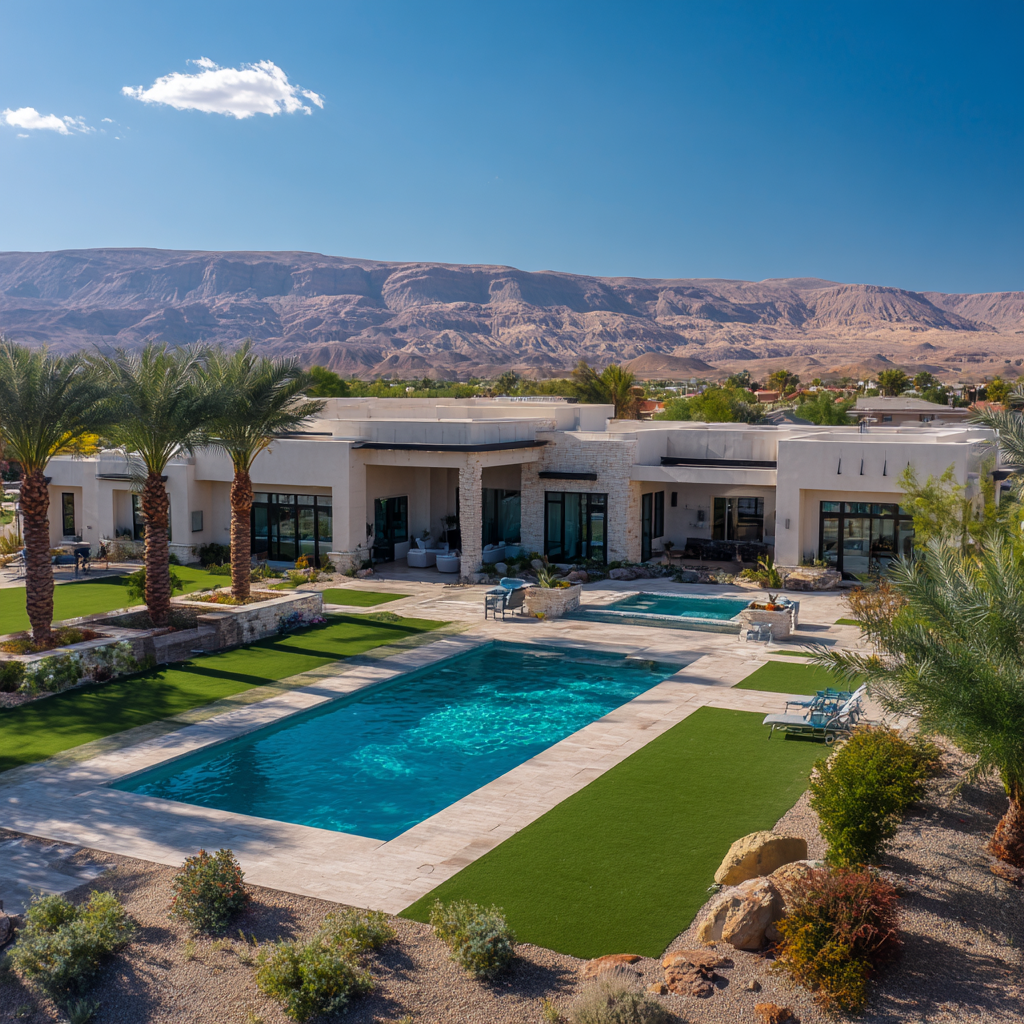
Las Vegas luxury real estate has produced a decade-long track record that most Sun Belt markets cannot match. The Las Vegas Review-Journal, citing Redfin data, documented the median luxury home price reaching approximately $1.57 million in 2025, a 161 percent increase since 2015, with 8.5 percent year-over-year growth, and the Las Vegas Valley ranking fourth nationally for luxury price appreciation over the past decade.
The structural drivers are not speculative. They are measurable: Nevada’s constitutional prohibition on state income tax, a sub-1 percent effective property tax rate, and a constrained luxury supply pipeline in the communities that matter most.
The investment thesis has a ceiling, though. This is not a market that produces outsized cash flow in the luxury tier. The case for Las Vegas luxury as an investment is an appreciation thesis first, with tax efficiency layered on top.
The Tax Argument, in Concrete Terms
Nevada’s no-income-tax structure is protected by the state constitution (Article 10, Section 1). California’s top marginal rate stands at 13.3 percent.
Clark County’s median effective property tax rate is 0.79 percent of market value. California’s effective rate for a new buyer at the same price point, absent Prop 13 protection, runs materially higher. The difference compounds significantly over a 7 to 10 year hold.
More than 53,200 Californians moved to Nevada in 2024, according to Census Bureau data. The structural migration case for continued luxury demand is well-documented and does not depend on a single year of momentum.
The Four Investment-Grade Luxury Communities
The Ridges, Summerlin. Guard-gated, western valley rim, adjacent to Red Rock Canyon. Price range $2M to $15M+. Limited resale inventory is the key supply-side characteristic: The Ridges is not adding meaningful new homes, and resale velocity in this community reflects genuine demand rather than buyer urgency driven by new build pressure.
MacDonald Highlands, Henderson. Q1 2026 transaction activity concentrated in the $2M to $3M band, with properties averaging $1.8M to $4.5M and above. Hillside positioning with Strip views and the DragonRidge Country Club. Similar supply constraint profile to The Ridges: limited ongoing new product.
Ascaya, Henderson. Architecturally modernist, entry around $3M. Smaller community scale than The Ridges or MacDonald Highlands. The resale pool is narrower, which is both a liquidity consideration and a scarcity argument.
Southern Highlands. Entry around $1.5M. Larger community, broad buyer profile, more new construction activity compared to the canyon communities. Less constrained supply, which affects the appreciation story.
Interested in an analysis across all four investment-grade communities?
Book a free call with us and let us get started on providing a full analysis and operating model based around which one of these communities best fits your investment requirements and ROI timeline?
The Cash Flow Reality in the Luxury Tier
Standard Las Vegas cap rates for investment properties run 4 to 6 percent gross, with luxury assets typically falling below this range due to purchase price and HOA obligations.
Long-term luxury rentals are possible but uncommon in The Ridges and MacDonald Highlands. The buyer profile for a $3M+ rental is thin, and carrying cost models typically produce neutral to negative cash flow at current rates. The HOA structure alone, master fee plus community fee plus country club assessment, can add $2,000 to $4,000 per month to operating costs in the luxury tier.
Short-term rentals in Clark County are subject to regulatory constraints that have been in active flux. Clark County STR regulations have faced legal challenges, with county rules under ongoing litigation. Verify the current regulatory status with a Nevada attorney before building any STR income assumption into a luxury investment thesis.
Acquisition Mechanics for High-Net-Worth Buyers
Many luxury buyers in The Ridges and MacDonald Highlands close with cash or partial financing using significant existing equity, which affects both negotiation dynamics and closing timelines.
Off-market access matters in this tier. A meaningful percentage of luxury transactions in The Ridges and MacDonald Highlands never reach public MLS. Working with a buyer’s agent who has active relationships in these communities is not a preference; it is a practical necessity for full market coverage.
Verify with lenders who specifically handle Nevada luxury transactions before assuming financing terms. Jumbo underwriting standards vary more widely than conforming product, and a lender that excels in the sub-$1M market may not have the product suite or Nevada luxury experience that a $4M acquisition requires.
Working on a luxury acquisition in the Las Vegas market?
Need help looking over market numbers? We can provide it. Trying to figure out what operating model makes the most sense for your investment goals? Done that plenty of times. Book a free call and let us take some burden off your shoulders.
Working With Plurify Properties
Plurify provides buyer representation for luxury investment acquisitions across The Ridges, MacDonald Highlands, Ascaya, Southern Highlands, and the broader Las Vegas luxury tier.
For portfolio buyers, we build the operating model before you commit: HOA obligations verified at every layer, financing terms confirmed with Nevada luxury lenders, and off-market access within the communities that matter. The goal is a thesis-driven acquisition, not a transaction driven by what happens to be listed this week.
Frequently Asked Questions
What distinguishes investment-grade luxury real estate in Las Vegas from the broader luxury market?
Investment-grade luxury in the Las Vegas context means constrained supply, sustained demand from California migration, and a structural tax advantage that supports price floors. The Ridges ($2M to $15M+), MacDonald Highlands ($2M to $25M+), and Ascaya (entry around $3M) carry all three characteristics. Southern Highlands and other communities in the broader luxury tier carry some but not all of them. The distinction matters because an appreciation thesis depends on supply constraint, not price point alone.
What are the realistic rental income expectations for Las Vegas luxury properties?
Gross yields in the luxury tier typically run below 4 percent and more commonly below 3 percent, below the standard Las Vegas market range of 4 to 6 percent. Long-term rentals at $5,000 to $12,000 per month are possible in The Ridges and MacDonald Highlands but represent a thin tenant pool. Short-term rentals face ongoing Clark County regulatory constraints and legal challenges that make STR income unreliable to project. The Las Vegas luxury investment case is an appreciation and tax-efficiency thesis, not a cash flow thesis.
Which Las Vegas luxury community offers the strongest long-term investment case?
The western communities, The Ridges and Red Rock Country Club in Summerlin, carry the strongest combination of constrained supply, consistent demand, and proximity to the canyon that sustains the lifestyle premium. The Las Vegas Review-Journal’s January 2026 analysis documents Summerlin West as the market’s strongest luxury appreciating submarket in 2025. For investors running a 7 to 10 year appreciation thesis, the western Summerlin communities have a 30-plus year track record of outperforming the valley average. MacDonald Highlands carries a comparable thesis with slightly different access to Henderson’s employment and services corridor.
References
- Las Vegas Review-Journal / Redfin, “This part of Summerlin saw the biggest home price increase in 2025,” reviewjournal.com, January 8, 2026. Median luxury home price in Las Vegas Valley: approximately $1.57 million; 161% increase since 2015; 8.5% year-over-year; Las Vegas Valley ranks fourth nationally for luxury price appreciation 2015–2025.
- Real702, “Nevada vs. California Taxes: How Much Will You Save? 2026,” real702.com, March 2026. Nevada’s no-income-tax structure protected by state constitution (Article 10, Section 1).
- CountryTaxCalc, “Nevada vs California Taxes: How Much Will You Save? 2026,” countrytaxcalc.com. California top marginal rate: 13.3%.
- Nevada Current / U.S. Census Bureau, “Psst… on a percentage basis, more Nevadans move to California than the other way around,” nevadacurrent.com, January 22, 2026. 53,200+ Californians moved to Nevada in 2024.
Legal Disclaimer: This article is informational and does not constitute legal, tax, or investment advice. Market conditions change. Mortgage rates and loan terms fluctuate; all figures cited reflect general market conditions as of May 2026. Consult a licensed Nevada real estate professional, attorney, and tax advisor before making investment decisions.