
QUICK ANSWER
Feng shui is a Chinese practice concerned with how a home’s layout, orientation, and surroundings affect the flow of energy, or qi. For buyers who follow it, common considerations include an open front entrance, room arrangement, the placement of stairs relative to the entry, the direction the home faces, and the address number itself. These preferences are personal and vary by buyer, so two people can read the same property differently. In the Las Vegas valley, much of the housing is newer and built from repeating floor plans, so the same layout often exists at several orientations within one community.
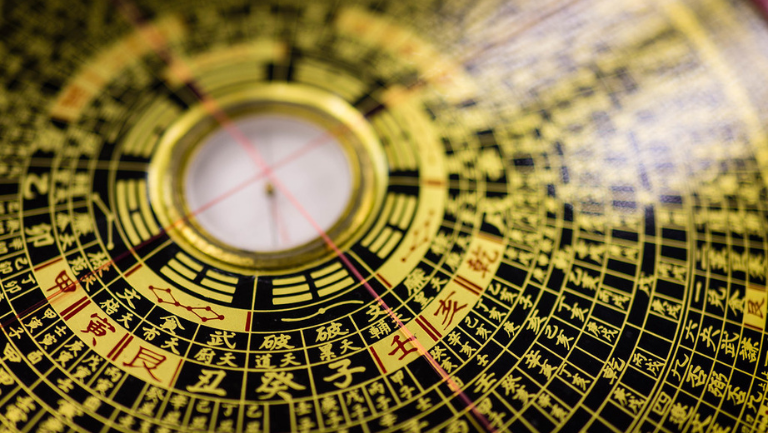
Some homes have a sense of balance that you notice the moment you walk in. The layout feels natural, the rooms connect easily, and the space simply flows. Feng shui is built around that idea.
A quick history lesson
Practiced in China for thousands of years, feng shui is rooted in the belief that the spaces we live in should feel in harmony with their surroundings. At the heart of feng shui is “qi“, or energy, and how it flows through a home.
“The right home is not only about how it looks. It is also about how it feels when you enter the space.”
That experience begins at the front door. The front entrance is often called the “mouth of qi” because it is considered the main point where energy enters the home. An open, welcoming entrance is preferred because it allows positive energy to enter more naturally. That same idea carries through the rest of the interior.
One of the best known feng shui principles is the “command position“. The idea is that a person should be able to see the entrance to a room without being directly in line with the doorway. In a bedroom, this often means placing the bed where the door is visible while keeping a solid wall behind it. The arrangement is believed to provide support and stability.
The placement of staircases and doors can also affect how qi moves through a home. A staircase facing the front entrance is traditionally viewed as allowing qi to move away too quickly, rather than settle within the home. That loss of flow is often associated with prosperity slipping away.
“Good feng shui is not about creating a perfect home. It is about creating balance within the space.”
The direction a home faces also matters in feng shui. There is no single orientation that works for everyone, but some buyers may have a preferred direction based on the principles they follow. Homes positioned directly at the end of a T intersection are often considered less desirable because the road is believed to send strong, moving energy straight toward the property, which can disrupt balance within the home.
The natural landscape plays a role as well. Mountains are often associated with support, while water is traditionally linked with movement and prosperity. Their placement in relation to the home can influence how a property is interpreted.
Balancing the elements
Another important part of feng shui is the balance of the five elements: “wood“, “fire“, “earth“, “metal“, and “water“. These elements can be used and reflected throughout a home in subtle ways, from the materials used to the natural features within the space. Together, they are traditionally used to create a greater sense of harmony within the home.
The Las Vegas valley shapes some of these considerations in its own way. Much of the housing here is newer and built from a limited set of floor plans, which means the same layout often exists at several orientations within a single community. A home that does not sit the way someone prefers may have a counterpart a few streets over that does.
A home’s address can also carry meaning. In Chinese culture, the number “8“ is commonly associated with prosperity, while the number “4” is often avoided because its pronunciation resembles the word for death in several Chinese languages.
Not everything a buyer cares about shows up in a listing
If feng shui factors into how you evaluate a home, tell us what matters to you and we will work it into the search. Click below to book a consultation with us today.
“A home is viewed as a whole. The way each part works together is what creates the sense of flow.”
Feng shui is personal. The same property may be viewed differently depending on the individual and the principles that matter most to them. What feels balanced to one person may not hold the same meaning for another.
Frequently Asked Questions
What is feng shui in home buying?
Feng shui is a practice from China that looks at how a home’s layout, orientation, and surroundings affect the movement of energy, called qi. In a home search, it shows up as preferences about entrances, room arrangement, staircases, lot position, and address numbers.
Why is a staircase facing the front door considered a problem?
A staircase directly facing the entrance is traditionally viewed as letting qi move through and out of the home too quickly instead of settling, which is associated with prosperity leaving the house.
Does the direction a home faces matter in feng shui?
There is no single orientation that works for everyone. Preferred direction depends on the individual and the principles they follow, which is why two buyers can evaluate the same home differently.
Why do some buyers avoid an address with the number 4?
In several Chinese languages, the pronunciation of four resembles the word for death, so it is often avoided. The number 8 is commonly associated with prosperity for the same reason, based on how it sounds.
About Plurify Properties
Plurify Properties handles relocation and investment purchases in the Las Vegas valley, and much of our work comes from buyers moving in from out of state.
Our approach is straightforward. We check what can be checked, we tell you when something cannot be confirmed, and we bring the open questions to you before you make an offer instead of after.
If you are buying in Las Vegas, whether you are relocating or adding to a portfolio, contact us to walk through a specific property.
Disclaimer
This article is general information. It is not legal, tax, or investment advice, and reading it does not create a brokerage or client relationship with Plurify Properties. Any figures cited reflect conditions as of the publication date shown above and may no longer be current.
Plurify Properties, NVWM Realty, and UC Mortgage are affiliated through common ownership. You are not required to use any of these as a condition of the sale, purchase, or financing.